Coachella’s Iconic Look: Fashion, Rebellion, or Just Clever Marketing?

Flower crowns, fringe, and tons of glitter glued to sweaty skin at Coachella under the scorching desert sun – it’s everywhere!
This isn’t a trend.
It’s not even a vibe.
It’s an obsession.
But I still wonder what the point is.
What's driving this obsession and are we truly free or just supporting the corporate machine?
Download now and start your journey.
Whether you’re a pro or just dipping a toe in, our app lets you build profiles, show your work, and book gigs.

The Roots: When Clothes Meant Something
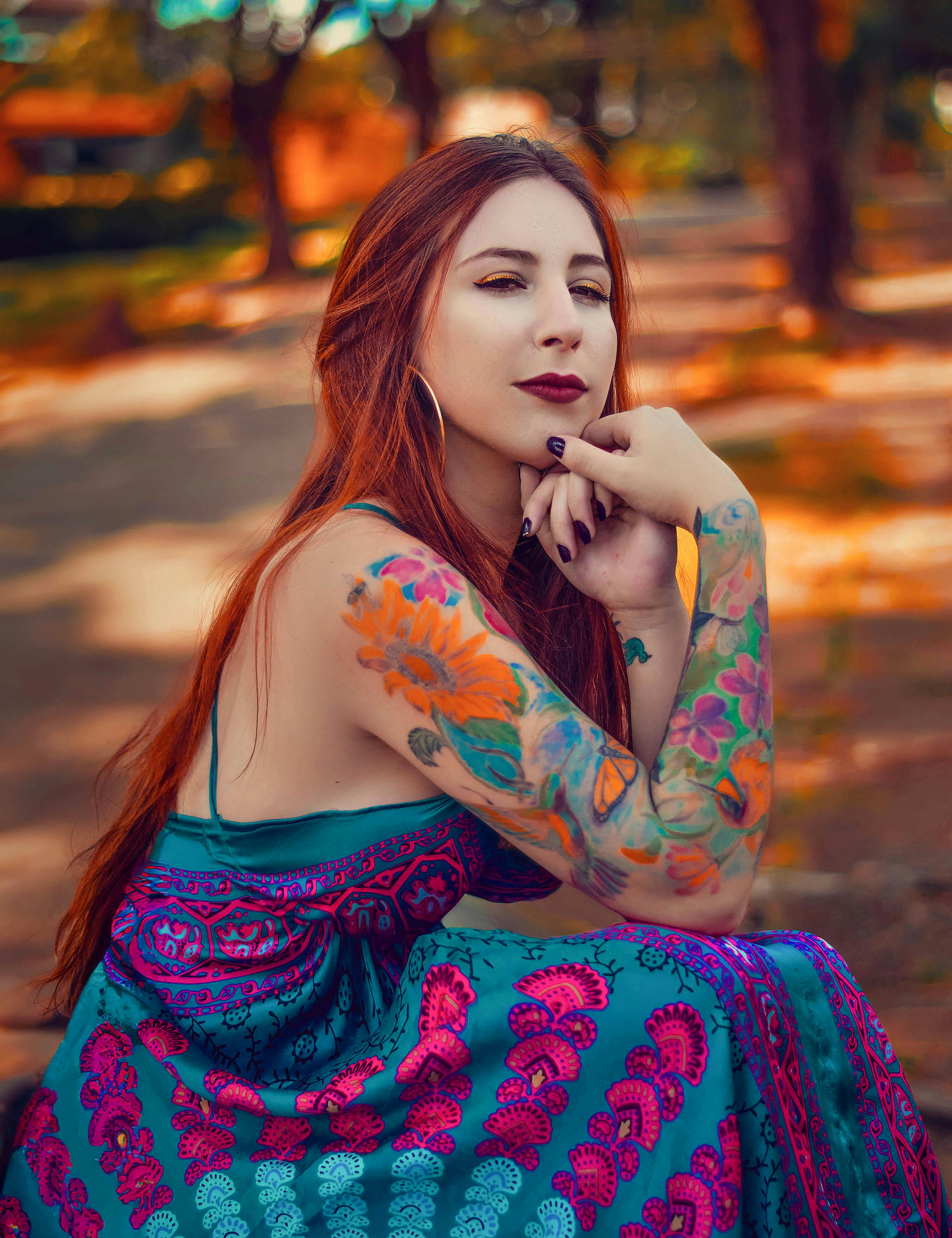
The Coachella fashion did not come from some corporate office or store. It was created by the youth, who would rather spend their money on outrageous items of clothing rather than a pair of boring suits for special occasions.
Many of the festival goers wear long and messy clothing made of earthy colors such as olive green, brown and tan. They do not care what others think of them and do not feel the need to dress up for events. The hippies of the 60s and 70s would love the fashion at Coachella.
The hippies were known for their free spirit and loved to express themselves through their clothing. Back then, fashion was used to show off one’s individuality and to express themselves in a way that would show the world that they were different from everyone else. It was a way for them to rebel against the norm.
The same can be said for the Coachella fashion. It is a way for people to express themselves and to show off their individuality. It is a way for people to be free and to not care what others think of them.
Somewhere along the line an analyst declared that baggy, earthy attire (and that of bohemian variety) signaled to the world that its wearer moved, dressed and generally existed just as he or she pleased. But that was before the cash arrived.
The Sellout: When Boho Became a Brand

The 2010s saw Coachella transform into a giant catalog of clothing available for purchase online.
H&M, Revolve, ASOS amongst other fast fashion brands took advantage of the huge amounts of likes that the bohemian festival fashion inspired on Instagram. They quickly created their own ‘festival fashion’ and went to sell it online through their websites and through physical stores.
The festival fashion from a few years ago has given way to a cheaper version of the same look created to be bought and posted online within hours.
Soon after the clothes featured in the pics were for sale and customers could buy the official look of the festival to post their own pics of wearing it hoping to get likes on their Instagram account.
The same style that once expressed to the world that one rejected the system and conformed to the norms of society in order to rebel against them, was now simply screaming to the world to buy this.
A marketer I know once said that Coachella was the ‘Super Bowl for brands’.
And the data is just fantastic as well. A huge upsurge in searches for “Coachella outfits” for example.
Now it’s just packed with a ton of pop up shops and free brand swag. Every outfit’s an ad. Every selfie’s a paycheck. And the line between “real” and “for sale”?
Let’s be honest - it’s gone.
The Paradox: Who’s Actually Being Themselves?
Here’s what bugs me.
Coachella still pretends it’s about self-expression.
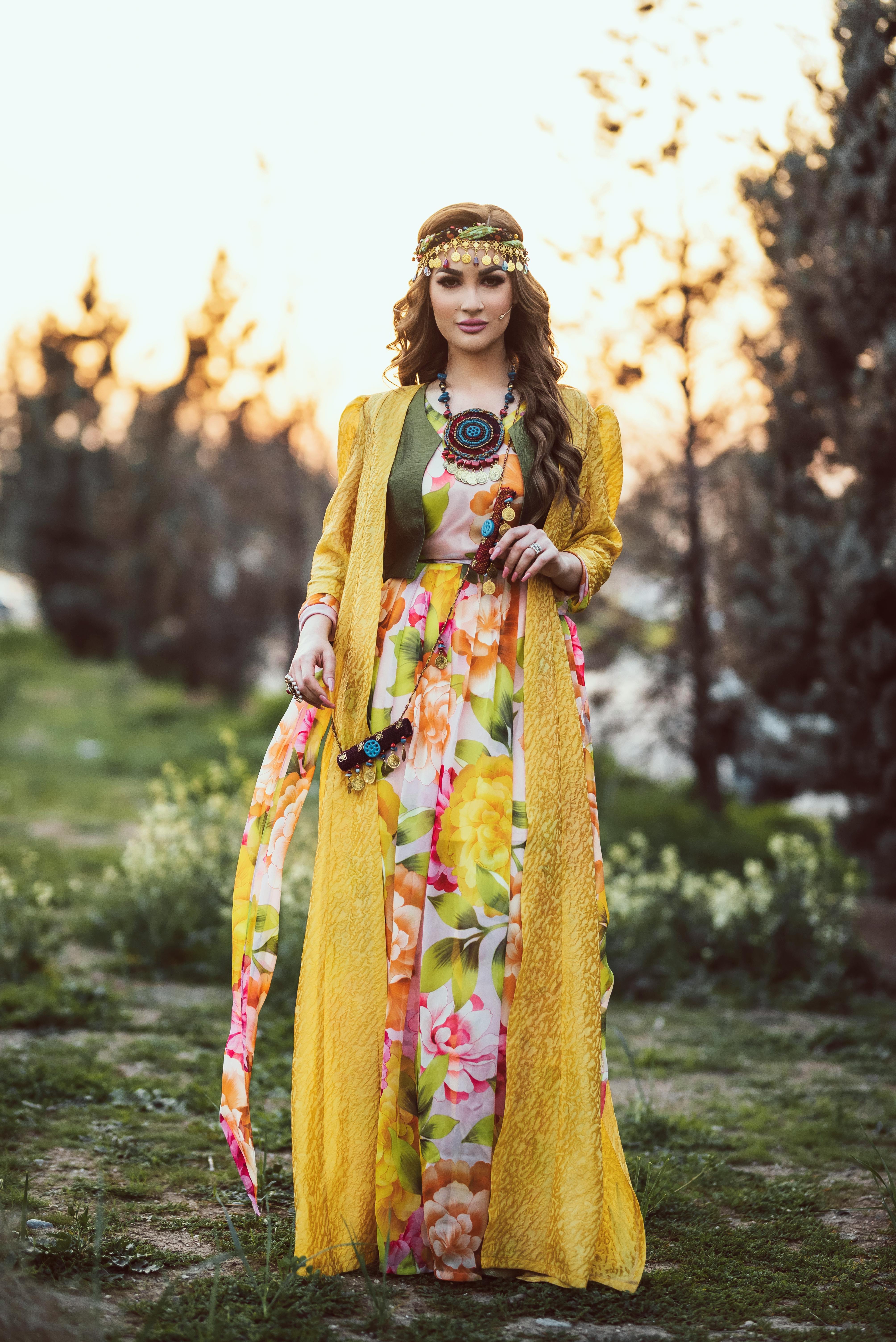
While many have surrendered to mass-produced festival wear, a handful of individuals have continued to embody the spirit of true self-expression through creative and resourceful make-overs incorporating thrifted items that have been upcycled and altered in some way.
Some Redditor summed up his view of festival fashion. Festival fashion is about showing who you are. Thift, upcycle and then there is the look that is all you.
Thrift, upcycle, and suddenly you’ve got a look that’s all you.”
But come on.
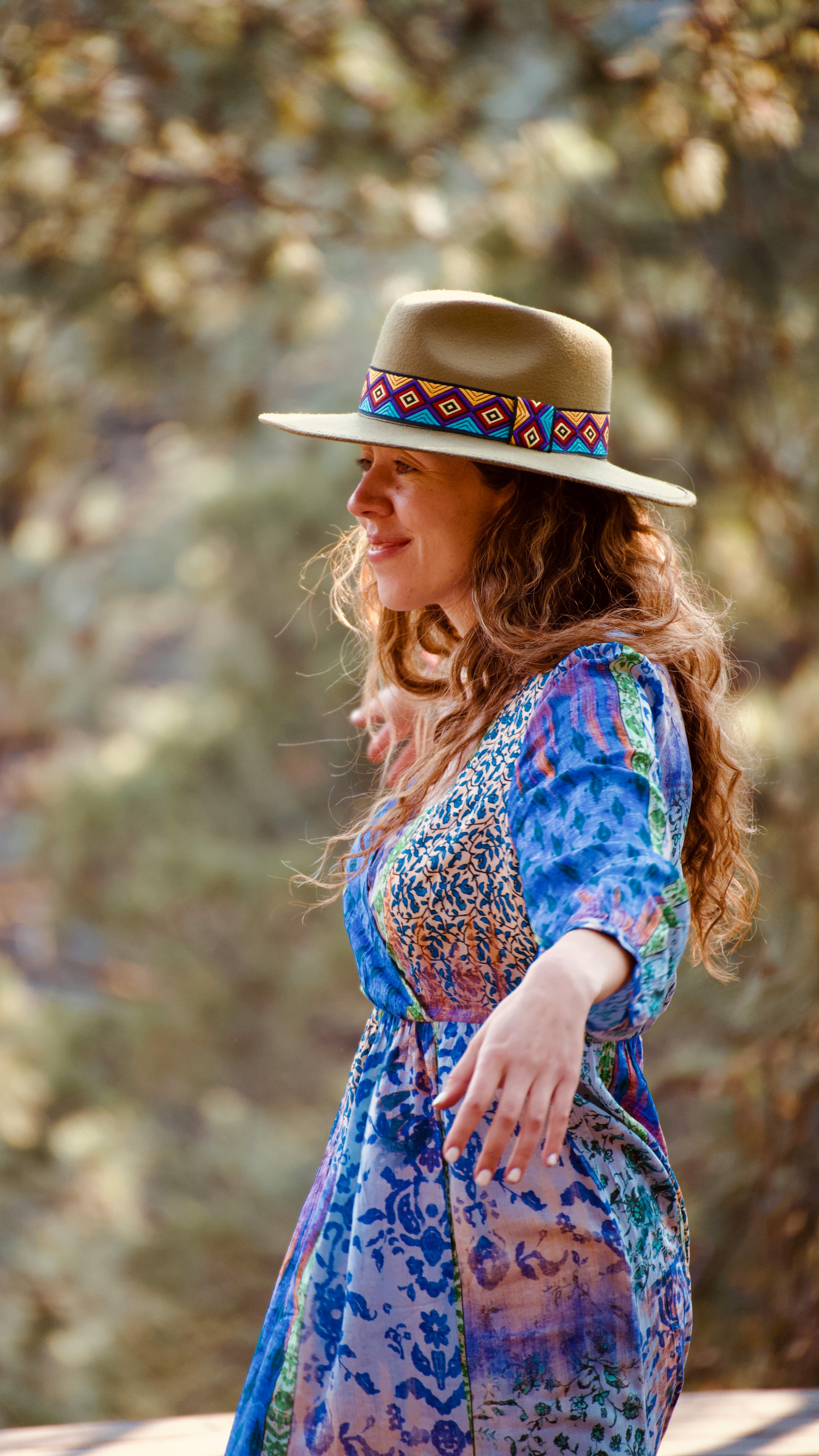
When every third post is #sponsored and every other unique looking outfit is actually just rehashing last year’s looks from other influencers, how much is really real?
And how much of the display is just another act in the world’s most expensive play?
Don’t miss out on free modeling casting calls and gigs!
Join thousands of professionals using our free portfolio for models app to advertise your skills and book jobs fast.
What’s Next for Coachella?
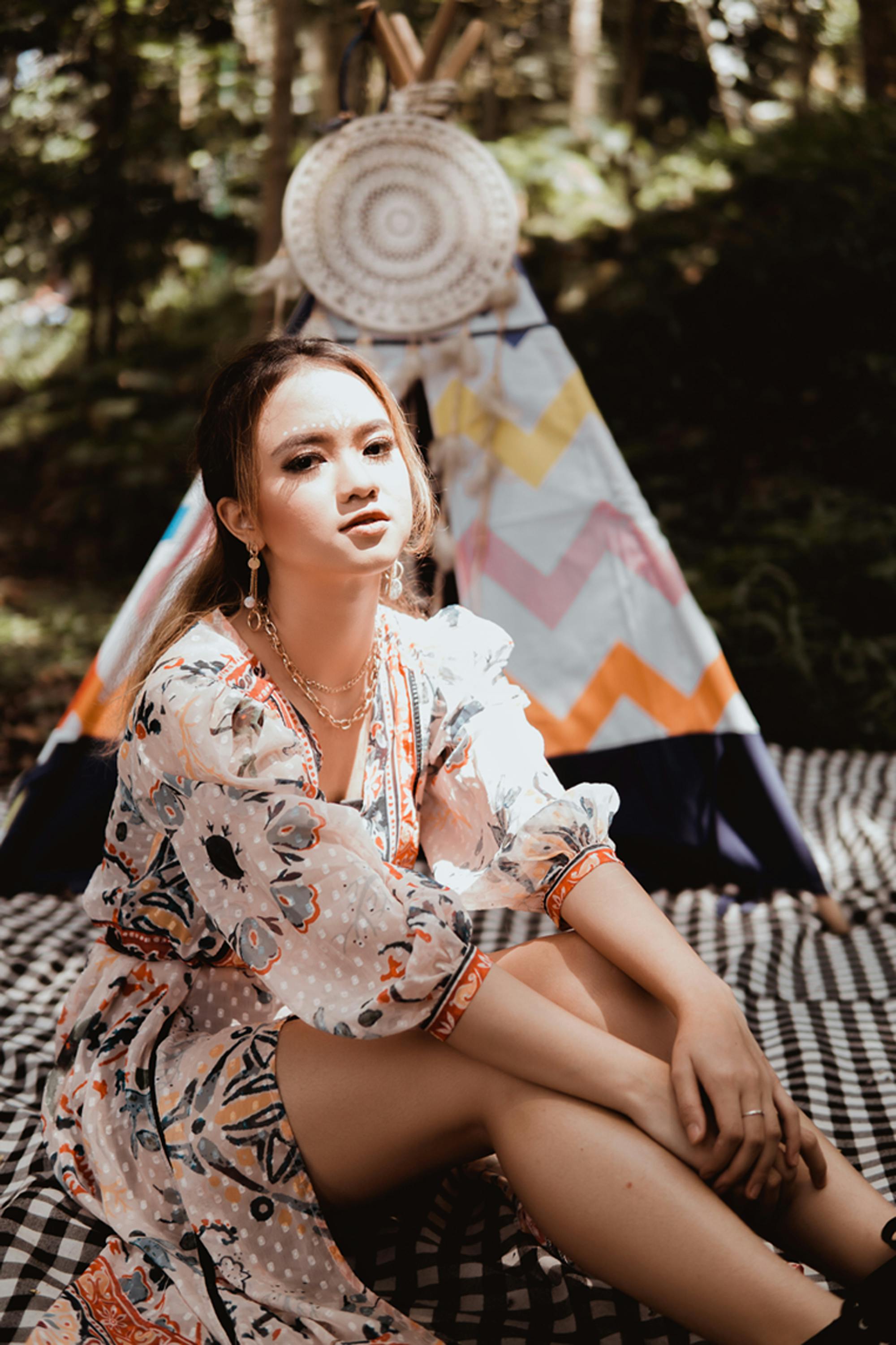
Alright, Coachella’s pushing thirty.
So here’s the million-dollar question:
Can it ever claw its way back to its rebellious roots, or is it doomed to be a marketing circus forever?
Here’s the thing, though - there are signs of life.
In 2025, they dialed back the brand deals, claiming they wanted to focus on the music, the vibe, the real stuff.
And guess what?
A new wave of festival-goers is actually thrifting, rejecting fast fashion, and bringing back that original spirit.
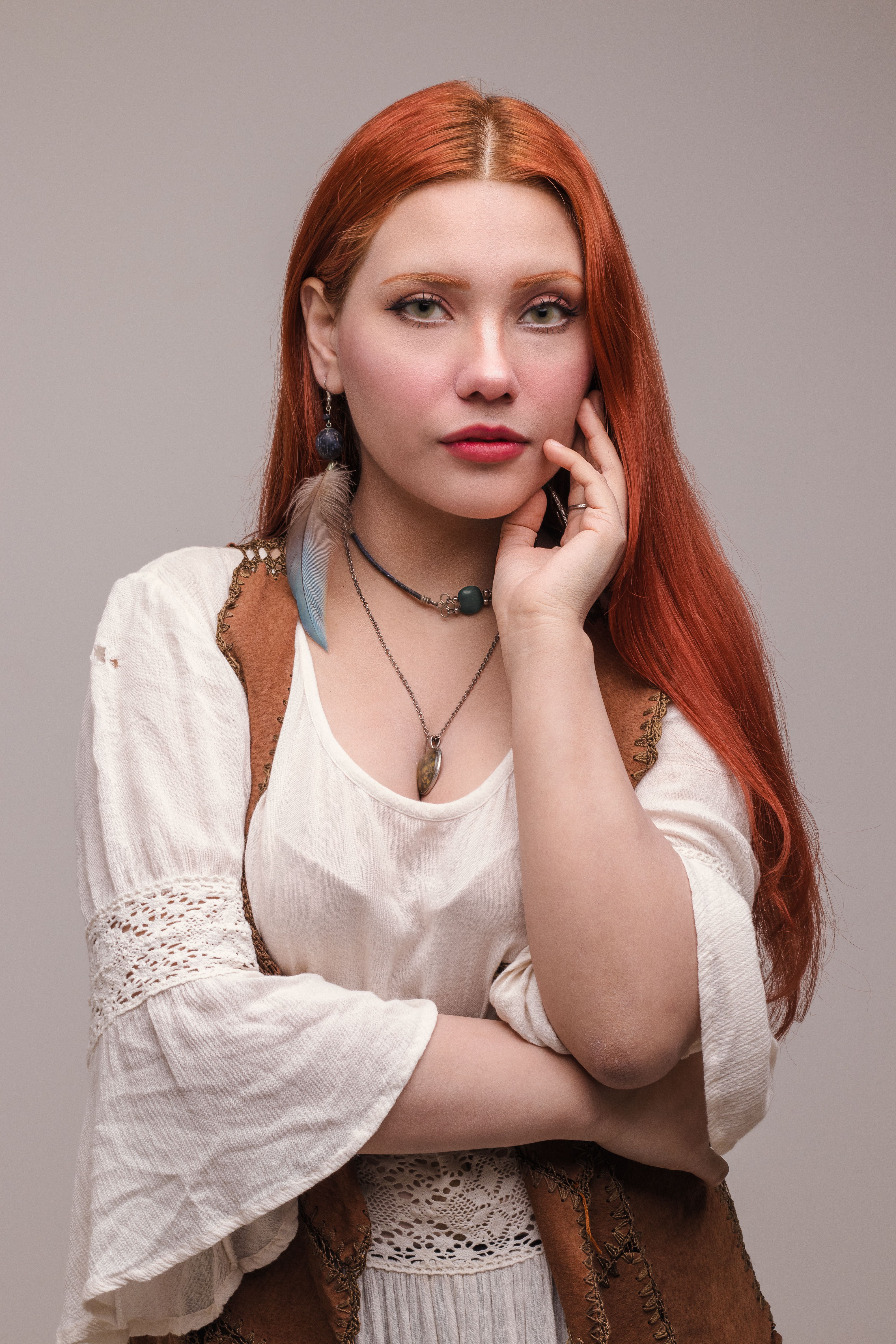
So what’s the truth?
Maybe it’s all three - fashion, rebellion, marketing - and that’s the whole damn point.
Coachella’s always been a mirror.
It shows us who we are, who we wish we were, and - let’s be real - how much we’re willing to pay to fake it till we make it.
Your turn
So what do you think?
Is Coachella’s look still rebellion, or did commercialism win?
Drop your take below - I’m all ears.
Join a global community of fashion models with our profiles app.
Create free profiles, access exclusive tools, and connect with clients worldwide—all in one app profile.